 619-352-0061



The hidden psychological effects of gambling on decision-making
The allure of gambling and its psychological impact
Gambling has a magnetic appeal that can captivate individuals, drawing them into a world of chance and excitement. The psychological effects of gambling begin with the thrill of the game itself; the unpredictability can create an adrenaline rush that feels rewarding. For many, this sense of euphoria reinforces their desire to participate repeatedly, often leading to irrational decision-making that overlooks the risks involved. To experience this excitement, many players turn to platforms like spinboss-casino.uk, where the array of games can further entice them to play.

Moreover, the environment surrounding gambling establishments, whether physical or online, is meticulously designed to enhance emotional engagement. Bright lights, sounds, and the promise of quick financial gain create a compelling atmosphere that can influence a player’s judgment. This immersive experience can lead individuals to disregard their financial limits, making decisions based on emotions rather than logical evaluation.
It’s essential to recognize that the psychological effects of gambling extend beyond the game itself. Cognitive biases, such as the illusion of control, can further distort an individual’s ability to make sound decisions. Players may believe they can influence outcomes through skill or strategy, resulting in overconfidence and an increased propensity to gamble despite the odds being stacked against them.
The role of cognitive biases in gambling behavior
Cognitive biases significantly influence decision-making in gambling scenarios. One notable bias is the gambler’s fallacy, where players mistakenly believe that past outcomes affect future probabilities. For instance, if a slot machine hasn’t paid out in a while, a player might assume that a payout is “due,” leading them to wager more than they usually would. This illusion often results in significant financial losses, as individuals chase their perceived “luck.”
Another relevant bias is the confirmation bias, where players only acknowledge information that supports their beliefs about their gambling strategies while ignoring contrary evidence. For example, a person may remember their wins more vividly than their losses, leading them to think they are luckier than they are. This selective memory can perpetuate a cycle of poor decision-making and increased gambling behavior.
These cognitive biases create a disconnect between perception and reality, making it challenging for individuals to assess their gambling habits objectively. Recognizing these biases is crucial for anyone looking to mitigate the psychological effects of gambling on decision-making. It encourages a more informed and rational approach to gambling, which is vital for long-term financial well-being.
The emotional rollercoaster: highs and lows of gambling
The emotional journey of gambling can be likened to a rollercoaster ride, filled with exhilarating highs and devastating lows. Winning can evoke feelings of happiness, confidence, and excitement, reinforcing the desire to continue playing. However, losses can lead to frustration, anxiety, and even despair. This cyclical emotional experience can cloud judgment and drive individuals to make poor decisions, such as increasing their stakes in hopes of recouping losses.
Additionally, the emotional responses associated with gambling can lead to maladaptive coping mechanisms. Some individuals may turn to gambling as a way to escape from stress, anxiety, or other emotional difficulties, creating a vicious cycle of reliance on gambling for emotional regulation. This behavior can exacerbate decision-making problems, as it becomes increasingly difficult to separate emotions from financial choices.
Recognizing the emotional component of gambling can empower individuals to approach their decisions more mindfully. By understanding their emotional triggers, players can develop healthier coping strategies that do not involve gambling. This can help in minimizing impulsive decisions and maintaining a balanced perspective when engaging with gambling activities.
The impact of addiction on decision-making processes
Gambling addiction profoundly alters an individual’s decision-making processes. As addiction takes hold, the brain’s reward system becomes hyperactive in response to the thrill of gambling, leading to increasingly risky behaviors. Individuals may find themselves prioritizing gambling over essential responsibilities, creating a feedback loop that perpetuates poor decision-making. Financial instability often becomes a consequence, yet the allure of potential winnings continues to cloud judgment.
Addiction can lead to a significant decrease in self-control, making it difficult for individuals to recognize when they are gambling irresponsibly. The psychological effects are compounded by a cycle of shame and denial; individuals may attempt to justify their behavior or hide their gambling habits from loved ones. This secrecy further impairs their ability to make sound decisions, leading them further down a potentially destructive path.
Interventions for gambling addiction, including therapy and support groups, often focus on rebuilding decision-making skills. Such programs emphasize the importance of self-awareness and accountability, helping individuals regain control over their gambling behaviors. By addressing the root psychological factors contributing to addiction, these interventions can pave the way for healthier decision-making processes.
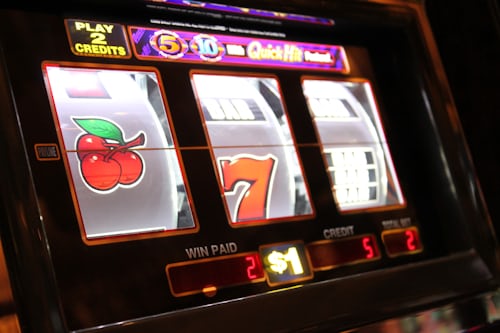
Exploring responsible gambling on platforms like SpinBoss Casino
Engaging with online gaming platforms, such as SpinBoss Casino, offers unique opportunities and challenges in terms of decision-making. While these platforms provide a convenient way to enjoy gambling, it is crucial to approach them with a responsible mindset. Features like setting deposit limits and utilizing self-exclusion tools can help players maintain control over their gambling habits, minimizing the risks associated with impulsive decisions.
Moreover, SpinBoss Casino and similar platforms often promote responsible gambling through educational resources. By providing information on the psychological effects of gambling and the importance of setting limits, these platforms empower players to make informed choices. This educational approach is vital in creating a safer gambling environment, where players can enjoy their favorite games without compromising their decision-making abilities.
Ultimately, engaging in responsible gambling practices is essential in navigating the psychological landscape of decision-making within the gaming world. Whether a beginner or a seasoned player, understanding the underlying psychological effects of gambling can enhance the experience while promoting healthy decision-making. SpinBoss Casino strives to create an engaging yet safe environment for all players, fostering responsible play for everyone involved.