 619-352-0061



Secure Your Journey Essential Travel Insurance for Visiting Ukraine
Planning a trip to Ukraine? While the journey promises incredible history and hearty cuisine, smart travelers always secure visit Ukraine insurance to stay covered against unexpected medical costs or trip disruptions. It’s a small step that lets you explore worry-free, knowing you’ve got backup if things go sideways.
Why Travel Coverage Is Essential for Trips to Ukraine
Travel coverage is non-negotiable for any trip to Ukraine due to the region’s volatile security environment and limited healthcare infrastructure. Comprehensive travel insurance provides critical protection against unforeseen cancellations, trip interruptions, and emergency medical evacuations, which are common in conflict zones. Standard policies often exclude war-related incidents, so a specialized plan is essential to cover risks like missile strikes or sudden border closures. Without proper coverage, a single medical evacuation could bankrupt an average traveler. Additionally, robust insurance safeguards your financial investment against airline groundings or mandatory embassy-mandated departures, ensuring you are not left stranded. Given these realities, skimping on coverage is not just reckless—it is a costly gamble with your safety and finances. Prioritize a policy that explicitly covers high-risk activities and political instability for genuine peace of mind.
Understanding the Current Risk Landscape and Insurance Needs
While Ukraine remains a land of profound resilience and cultural richness, its active war zone status makes travel insurance non-negotiable for any visitor. Comprehensive war zone coverage is the only safety net that protects against risks standard policies exclude, such as missile strikes, forced evacuation, or trip interruption due to sudden military escalations. A robust plan should offer:
- 24/7 emergency assistance with local evacuation protocols
- Coverage for medical treatment in field hospitals or border transfers
- Financial compensation for cancelled flights or accommodation due to airspace closures
Without this specialized protection, travelers face potentially ruinous out-of-pocket costs for emergency transport, which can exceed $50,000. Investing in proper coverage means you can focus on experiencing Kyiv’s historic cathedrals or Lviv’s café culture with the confidence that a dedicated support team is ready to act before you even hear the sirens.
Mandatory vs. Optional: What Travelers Must Know
Traveling to Ukraine demands robust coverage due to unpredictable security risks and healthcare disruptions. Comprehensive travel insurance for Ukraine protects against trip cancellations from sudden border closures or airspace restrictions. Medical evacuation, often excluded from standard plans, is vital since local facilities may lack capacity for serious injuries. Coverage also extends to lost passports or delays from transit checkpoints, where bureaucratic hurdles are common. Without it, travelers face crushing costs—evacuation to a neighboring country can exceed thousands of dollars. A smart policy gives you the freedom to explore Kyiv’s resilience and Lviv’s charm, knowing you’re shielded from volatility, not paralyzed by it.
Key Policy Features for Wartime Travel
Wartime travel policies are defined by stringent security protocols and prioritized resource allocation. Wartime travel documents become mandatory, replacing standard passports with biometric IDs containing encrypted health and security data. All civilian transit is channeled through designated corridors, with real-time tracking enforced by military checkpoints. Asset and currency movement are strictly regulated to prevent economic destabilization, requiring permits for any transfer exceeding a minimal threshold. Insurance coverage is voided for war zones unless a specific government-backed policy is purchased. These measures, while severe, are non-negotiable for maintaining operational security and civilian survival. Compliance is not optional; it is the only guarantee of transit and repatriation.
Q&A:
Q: Can I still use my regular passport?
A: No. Standard identification is immediately invalidated upon declaration of hostilities. Only the approved wartime travel document is recognized for movement.
Coverage for Medical Evacuation and Repatriation
Wartime travel demands strict adherence to government-issued travel authorization protocols. You must secure official movement permits, which are often tied to nationality, purpose of travel, and security clearance. Expect mandatory registration at checkpoints and compliance with curfews. Key restrictions typically include:
- Banned entry to active combat zones or military installations.
- Mandated use of designated transport corridors.
- Confirmed health and life insurance covering war risks.
Always carry your passport, visa, and permit copies. Failure to follow these rules can result in detention or denial of exit.
Understanding Exclusions for Active Conflict Zones
Wartime travel policies are defined by strict enforcement of travel restrictions and identification mandates. All civilian movement requires government-issued permits, with unauthorized travel risking immediate detention. Essential routes are prioritized for military logistics, while private vehicles face fuel rationing and curfews. Key provisions include mandatory checkpoints, verified destination documentation, and a tiered system for emergency evacuations versus non-essential trips. These measures ensure security, resource allocation, and population control under crisis conditions.
Emergency Assistance and 24/7 Support Networks
Wartime travel policies prioritize national security through strict documentation and movement controls. A digital travel authorization is now mandatory, requiring biometric verification and a valid purpose for transit. Key features include:
- Restricted Zones: Pre-approved itineraries only, with real-time GPS monitoring.
- Emergency Evacuation Protocols: State-mandated routes and shelters for civilians.
- Curfew Enforcement: No movement between dusk and dawn without a military escort.
Travelers must also carry an AI-readable identity token, updating their status via secure checkpoints. These measures minimize risk while keeping supply chains and critical personnel moving.
Comparing Standard Travel Insurance vs. High-Risk Policies
When assessing protection for adventure or extreme sports, a standard travel insurance policy often falls short, as it typically excludes injuries from high-risk activities like mountaineering, scuba diving beyond 30 meters, or motorsports. Experts recommend opting for a high-risk policy, which specifically covers these pursuits and offers specialized benefits such as emergency evacuation from remote terrain. While standard plans suffice for a beach holiday, they lack the medical repatriation and liability cover required for dangerous undertakings. Therefore, for thrill-seekers, investing in a dedicated high-risk policy is not optional but essential to ensure comprehensive financial and medical security during your travels. Always check the fine print for exclusions on your chosen travel insurance to avoid gaps in adventure coverage.
What Regular Plans Typically Exclude
Standard travel insurance offers cost-effective coverage for routine issues like trip cancellations, lost luggage, and medical emergencies, but typically excludes high-risk activities such as skydiving, mountaineering, or extreme sports. High-risk travel insurance policies fill this gap by providing specialized protection for adventure seekers, though premiums are significantly higher. These policies often include emergency evacuation from remote locations and coverage for specialized equipment.
- Standard: Lower cost, excludes adventure sports, basic medical cover (up to $50k).
- High-risk: Higher cost, covers extreme activities, includes search-and-rescue (up to $500k).
Choosing between them depends on whether your itinerary involves hazardous pursuits; travelers to war zones or disaster areas may also require high-risk policies for valid coverage.
Specialized Insurers Offering Ukraine-Risk Coverage
Standard travel insurance covers routine trip cancellations, lost luggage, and medical emergencies for low-risk destinations and activities. In contrast, high-risk policies address extreme sports, expeditions, and regions with unstable political climates, often including emergency evacuation. Coverage for adventure activities is the primary differentiator. Standard plans exclude mountaineering, scuba diving, or motorsports, while high-risk options provide tailored protections. Policyholders should weigh premium costs against potential hazards; high-risk premiums are significantly higher but essential for mitigating severe financial and safety risks.
How to Verify Policy Validity in Current Conditions
Standard travel insurance is like a safety net for the predictable—it covers canceled flights, lost luggage, and minor medical hiccups in low-risk destinations. High-risk policies, however, are built for chaos: they protect against extreme sports, war zones, or pre-existing conditions, filling the gaps standard plans ignore. The key difference is coverage for adventure and instability. While a standard plan might deny a claim for heli-skiing or a trek in a conflict region, high-risk policies embrace those dangers. Key contrasts include:
- Activities: Standard excludes bungee jumping; high-risk includes it.
- Destinations: Standard avoids travel advisories; high-risk covers them.
- Medical: Standard caps evacuation; high-risk often offers unlimited repatriation.

If your trip involves a high-stakes hobby or an unstable region, standard insurance is a gamble you can’t afford to lose.
For adrenaline chasers or global explorers, paying a premium for high-risk coverage isn’t just smart—it’s survival.
Steps to Secure Protection Before Crossing the Border
Before you cross any international border, the most critical step is securing your paperwork. Start by checking your passport’s validity—it should be good for at least six months beyond your planned return date, as many countries enforce this rule strictly. Next, research visa requirements for your destination; some nations allow entry with just an electronic travel authorization, while others need a full visa application. For the best border security preparation, make copies of all documents and keep them separate from the originals. Also, ensure you have necessary travel insurance that covers medical emergencies and repatriation. Having a clean criminal record and knowing your destination’s local laws can prevent surprises. Double-check customs rules for prohibited items like certain foods or medications. With these steps, you protect yourself from denied entry or unnecessary delays, making your crossing smooth and stress-free.
Documentation Requirements and Proof of Insurance

To secure protection before crossing the border, you must first verify your visa or legal travel authorization meets the destination country’s latest entry requirements. Pre-travel border clearance procedures are non-negotiable for safety and compliance. Complete all health screenings, obtain necessary travel insurance, and register your trip with your home country’s embassy. Prepare a digital and physical packet containing your passport, visa approval, travel itinerary, accommodation details, and emergency contacts. Ensure your electronic devices are charged and contain offline maps of your destination. Finally, notify a trusted contact of your travel plans and expected arrival time. This preparatory discipline directly reduces your risk of denial at the border and ensures you have legal and emergency support immediately upon arrival.
Online Purchase vs. Local Providers in Ukraine
Before crossing any international border, you need to nail down a few key steps to avoid costly delays or outright denial of entry. Verify your passport validity first—most countries require it to be valid for at least six months beyond your planned departure date. Next, check if you need a visa or an electronic travel authorization (like ESTA or eTA), and apply well before your trip. Gather supporting documents: hotel bookings, return flight tickets, and proof of funds. Also, review any vaccination or health certificate requirements for your destination. Finally, make a digital backup of all these documents and keep a physical copy separate from your originals. A little prep now saves you major headaches at the booth.
Checking for War Risk Riders or Add-Ons
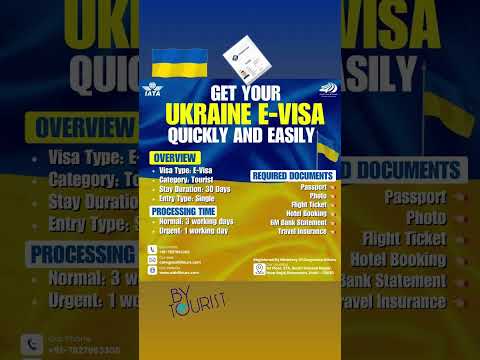
To secure protection before crossing the border, begin by gathering all required legal documents, including a valid passport, visa, and supporting paperwork like proof of funds or a letter of invitation. Verify entry requirements with the destination country’s consulate, as rules can change rapidly. Next, purchase comprehensive travel insurance that covers medical emergencies and trip cancellations. Register your trip with your home country’s embassy for emergency alerts. Finally, carry digital and physical copies of your documents separately from the originals. These steps ensure you meet legal standards, avoid entry denial, and maintain access to support if issues arise during transit or upon arrival.
Medical and Health Insurance Considerations
When evaluating medical and health insurance coverage, prioritize understanding the balance between premium costs and out-of-pocket maximums, as this directly impacts your financial risk. A plan with a lower monthly premium often carries a higher deductible, which can be financially devastating during an unexpected hospitalization. Conversely, a comprehensive policy with higher premiums typically offers better preventive care coverage and lower copays for specialist visits. Crucially, verify that your preferred physicians and regional hospitals are in-network, as out-of-network care usually incurs significantly higher charges. Also, review the formulary for prescription drugs, especially for chronic conditions, ensuring your necessary medications are covered without prior authorization hurdles.
Q: What is the most important factor to check before selecting a plan?
A: Confirm that your primary care physician and any specialists you see are included in the insurance company’s network to avoid unexpected out-of-network bills. Additionally, always verify the policy’s coverage for emergency room visits outside your home state, as this is a common oversight that can lead to massive surprise billing.
Accessing Private Clinics and Hospitals as a Foreigner
Navigating healthcare costs demands a clear understanding of your medical and health insurance considerations. Selecting a plan requires balancing premiums against deductibles, co-pays, and out-of-pocket maximums to avoid financial strain. Key factors include verifying whether your preferred doctors and hospitals are in-network, as using out-of-network providers can drastically increase expenses. Also, examine prescription drug coverage tiers for any chronic medications you need. For added protection, consider supplemental policies like critical illness or accident insurance, which offer lump-sum payments to cover unexpected visit ukraine insurance gaps. Ultimately, aligning your coverage with your specific health needs—not just the lowest monthly price—ensures you’re prepared for routine care and emergencies alike without facing crippling bills.
Prescription Medication and Emergency Treatment Coverage
Navigating employee benefits insurance plans requires careful attention to deductibles, co-pays, and network limitations. A high-deductible health plan (HDHP) often pairs with a Health Savings Account (HSA) for tax-advantaged savings, while Preferred Provider Organizations (PPOs) offer broader access at a higher premium. Key factors include ensuring prescription drug coverage aligns with your medications and verifying that preferred specialists are in-network.
Ignoring out-of-pocket maximums can lead to financial strain during a medical emergency.
Dental and vision plans often operate separately, requiring separate enrollment decisions. Self-employed individuals must compare marketplace options against private insurers, weighing monthly costs against potential catastrophic coverage. Evaluating chronic condition management support and telemedicine benefits will further tailor a plan to your specific health needs.
Vaccination Records and Pre-Existing Condition Waivers
Navigating the healthcare landscape without proper coverage is a financial gamble you cannot afford. Understanding your medical insurance policy’s fine print is critical to avoiding catastrophic out-of-pocket costs. Key elements include the deductible amount you must pay before coverage kicks in, the co-pay for routine visits, and the coinsurance percentage you share for major procedures. Always verify your preferred doctors and hospitals are in-network, as out-of-network care can drastically inflate costs. Additionally, review prescription drug formularies to ensure your medications are covered. Don’t overlook ancillary benefits like dental, vision, or mental health support. A well-chosen plan isn’t just a safety net—it’s a strategic asset that protects your health and your savings simultaneously.
Handling Trip Cancellations and Interruptions
Handling trip cancellations and interruptions effectively is non-negotiable for any travel business. Immediate communication and transparent refund policies are your strongest assets, transforming potential disasters into demonstrations of reliability. When a client faces a sudden change, you must act swiftly to rebook or provide a clear, fair resolution without hesitation. The attitude you project directly influences customer loyalty; a firm yet empathetic response can secure future bookings. For instance, offering flexible rebooking windows or proactive compensation for major disruptions proves you value their trust. Remember, a seamless interruption process is not merely damage control—it is a powerful differentiator that builds unparalleled brand credibility in a competitive market.
Coverage for Last-Minute Border Closures or Airline Shutdowns
Trip cancellations and interruptions are stressful, but a proactive response minimizes losses. Travel insurance coverage is your primary safeguard; review your policy immediately upon disruption. Document everything: keep receipts for non-refundable deposits, canceled flights, and unexpected hotel stays. Contact your airline or tour operator first—many offer waivers or rebooking without fees during widespread disruptions. For a clearer path forward:
- Notify your insurer within 24 hours.
- Request written confirmation of cancellations from providers.
- Mitigate further costs by rebooking the cheapest alternative.
“Acting within hours—not days—is the difference between a minor inconvenience and a major financial loss.”
Refuse any “future credit” if you need cash; negotiate refunds to your original payment method. For interruptions, save all medical or police reports if applicable. Finally, escalate calmly to supervisors if initial agents deny your claim—persistence often recovers partial or full reimbursement for covered events.
Claiming for Delays Tied to Security Alerts
Handling trip cancellations and interruptions effectively requires immediate, proactive communication with your travel provider to secure refunds or rebookings. Travel insurance with trip cancellation coverage is the most reliable safeguard against financial loss from unexpected events like illness or weather. Review your policy’s fine print upon booking to understand covered reasons, and always keep receipts for non-refundable expenses. Proactive policy management turns a potential disaster into a manageable inconvenience.
Evacuation Assistance When Travel Plans Change Abruptly
Trip cancellations and interruptions can derail even the most meticulously planned itinerary, but proactive management turns chaos into control. Travel protection with flexible cancellation policies is your first line of defense, allowing refunds or rebookings when unexpected illness, weather, or family emergencies strike. To minimize disruption, immediately contact airlines or hotels via their mobile apps—digital support often processes changes faster than phone lines. Documentation, such as medical notes or flight disruption proof, strengthens reimbursement claims.
- Notify your travel insurer within 24 hours of interruption.
- Keep all receipts for rebooked hotels or alternate transport.
- Use travel reward points or status perks for priority rebooking.
Q: Will my flight voucher cover a last-minute hotel if I’m stranded overnight? A: Not typically—most airlines only rebook flights. Purchase trip interruption insurance separately for lodging and meals.
Legal and Liability Protection While in Ukraine
When I first crossed into Ukraine, the weight of the conflict zone’s legal framework settled on me like a heavy coat. I learned quickly that standard travel insurance is practically useless here; you need a specialized policy that explicitly covers war risks, including medical evacuation and accident liability for activities near military zones. Comprehensive liability coverage is non-negotiable if you offer humanitarian aid or drive a vehicle, as local authorities hold foreigners strictly accountable for any damage or infringements.
Even a minor traffic violation can escalate into a complex legal ordeal involving military checkpoints and administrative detention.
I found that carrying certified copies of your passport, visa, and insurance documents at all times—along with a contact for a reputable local lawyer—is the only way to navigate the system. Without that preparation, a simple misunderstanding could strip you of your freedom and your assets.
Personal Liability for Accidental Property Damage
Navigating legal and liability protection in Ukraine demands proactive measures, especially given the ongoing state of war. Your primary shield is comprehensive travel insurance that explicitly covers conflict zones, medical evacuation, and liability for accidental damages to third parties. Without this, you face potentially crippling out-of-pocket expenses. Comprehensive conflict zone insurance is your non-negotiable safety net. Crucially, your legal liability extends to any actions you take while volunteering or driving; a simple misstep can lead to local legal proceedings. To mitigate this, register with your embassy immediately upon arrival. They cannot extract you from legal trouble but can provide a list of vetted local attorneys. Remember, without a proper visa or registration, you operate in a legal grey zone, increasing both your liability and risk of detention. Always carry digital and physical copies of your passport, visa, and insurance policy for immediate verification.
Legal Aid for Traffic Accidents or Detainment
Legal and liability protection for foreign nationals in Ukraine requires proactive preparation, as local laws differ significantly from Western jurisdictions. The most critical safeguard is obtaining comprehensive travel insurance that explicitly covers medical evacuation, conflict zones, and war-related incidents, as standard policies are often voided. Without such coverage, individuals face personal financial liability for medical evacuation costs, which can exceed tens of thousands of dollars. Additionally, registering with your home country’s embassy upon arrival provides access to consular assistance for legal issues, detention, or document loss. Strong legal preparation is essential for personal liability defense. Carrying certified copies of your passport, visa, and insurance policy can expedite resolution during police checks or accidents. To minimize legal exposure:
- Never sign documents in Ukrainian without a certified translator.
- Retain a local attorney for contract disputes or injury claims.
- Avoid driving without an International Driving Permit, as local liability laws hold drivers strictly accountable.
Cross-Border Coverage When Visiting Neighboring Regions
Operating without robust legal and liability protection while in Ukraine exposes you to significant personal and financial risk. Defense attorneys in Ukraine are essential for navigating complex local laws and international obligations. Ensure your insurance policy explicitly covers war zones and includes comprehensive liability for property damage or injury caused by your actions. You must also verify that your contract complies with Ukrainian labor and business codes to avoid fines and potential detention. Legal and liability protection while in Ukraine is non-negotiable for any individual or business seeking to operate safely inside the country’s jurisdiction.
Practical Tips to Avoid Common Claim Denials
Last quarter, a clinic saw nearly 30% of its claims denied due to missing patient details. The fix started small: medical billing accuracy became a morning huddle focus. By verifying policy ID numbers before the visit and confirming referral pre-authorization with a single double-check, denials dropped by half. Stories of that turnaround now remind every coder to audit for upcoding warnings and document every modifier. A hospital later adopted the same rhythm—matching diagnosis codes to service notes before submission. One nurse’s habit of flagging incomplete dates saved thousands. It proves that consistent, simple verification beats complex fixes every time.
Reading Fine Print on Acts of War and Terrorism
To keep your claims from getting denied, focus on submitting clean medical documentation every time. Double-check that patient details, diagnosis codes, and procedure codes match perfectly—a single typo can halt payment. Always verify insurance eligibility before services, as outdated coverage is a top denial cause. Include precise medical necessity notes, like test results or symptoms, to justify every charge. For quick wins, avoid these common slip-ups:
- Filing past the payer’s deadline (usually 30–90 days).
- Missing prior authorization for procedures.
- Submitting duplicate claims for the same visit.
Clean up your billing workflow with regular audits, and you’ll see fewer rejections and faster reimbursements.
Maintaining Proof of Stay and Incident Reports
Avoid claim denials by mastering the art of clean submission. Prevent claim denials with accurate patient data—verify insurance eligibility, policy numbers, and spelling of names before submitting. Double-check diagnosis codes (ICD-10) and procedure codes (CPT/HCPCS) for specificity; a mismatch or missing modifier often triggers automatic rejection. Attach all required documents—referrals, prior authorizations, or medical records—before hitting send. Submit within timely filing limits, ideally within 24–48 hours of service, to reduce missed deadlines.
- Validate coverage every visit.
- Use clean claim software for error scrubbing.
- Upload supporting notes immediately.
Q: Why do payers deny duplicate claims?
A: Two submissions for the same service, same date—flagging an error. Always check status before resubmitting.
Notifying Insurers Promptly About Any Disruption
To reduce claim denials, focus on precise documentation and proactive verification. Clean claim submission starts with accurate patient data, so double-check demographics, insurance ID numbers, and policy effective dates before submission. Use a pre-submission checklist: verify medical necessity aligns with payer-specific LCDs, confirm CPT and ICD-10 codes match the documented procedures, and attach all required modifiers (e.g., -25, -59, -GA). Neglecting prior authorization requirements is a leading cause of avoidable denials. For ongoing claims management, implement a structured review:
- Automate eligibility checks at every patient visit
- Standardize charge capture to prevent unbundling
- Audit claim edits (NCCI, MUE) before final submission
Track denial patterns weekly to identify recurring issues—such as missing referrals or incorrect place-of-service codes—and update your billing protocols immediately. This systematic approach minimizes rework and accelerates reimbursement.